The ISF World Seed Congress 2026 in Lisbon brought the global seed sector together under the theme “Joint Actions, Resilient Futures.” But its impact reached far beyond the Congress venue, thanks to the work of journalists and agricultural communicators from around the world.
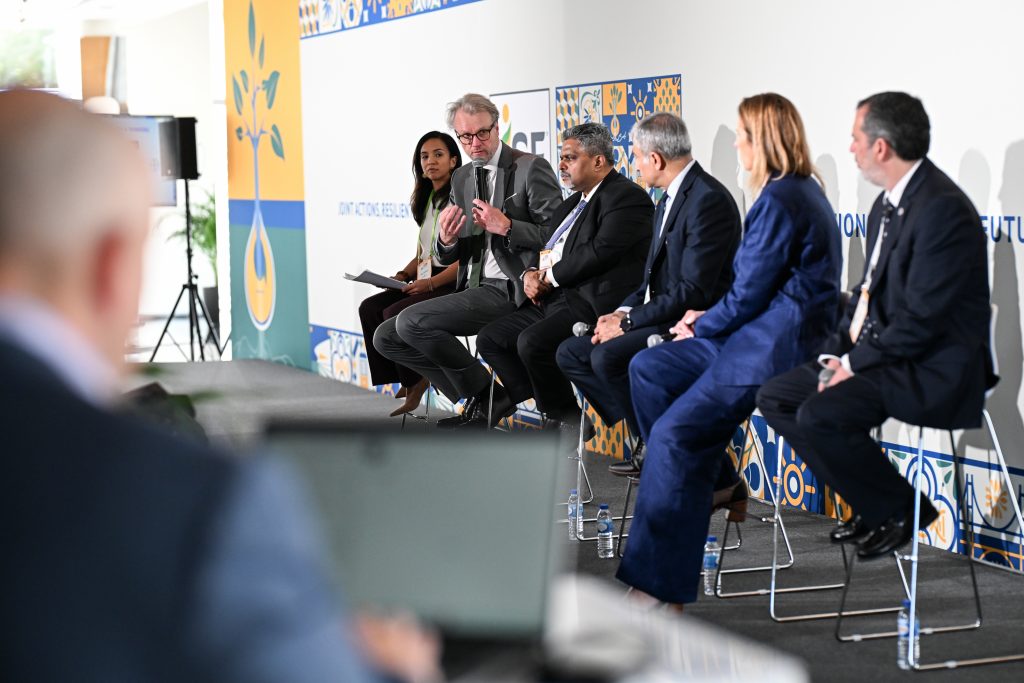
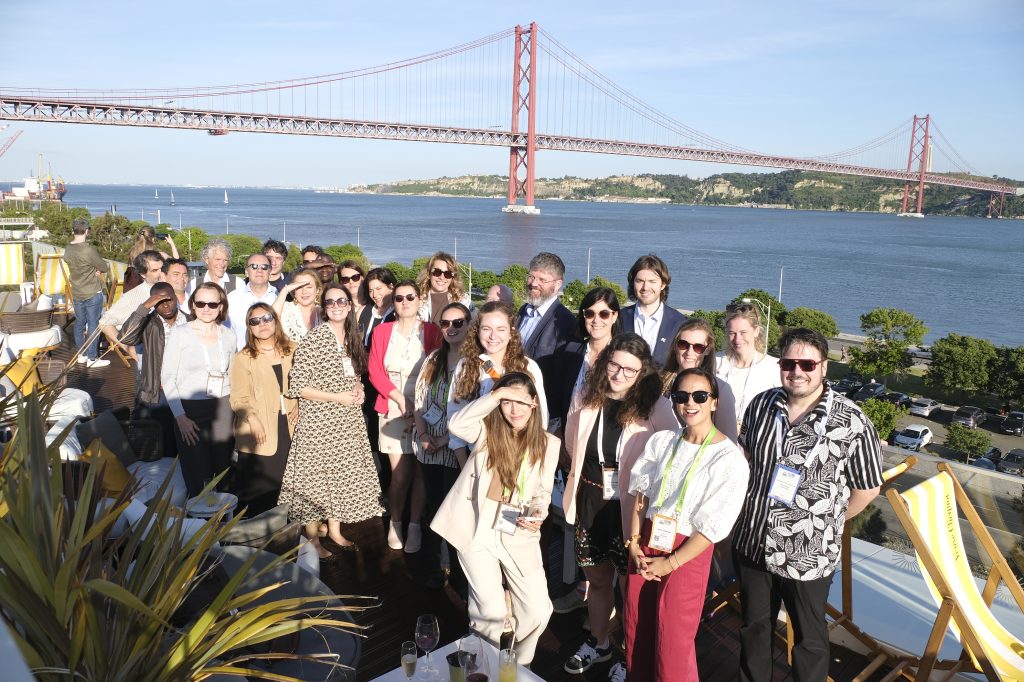
This year, ISF welcomed 30 journalists from 21 countries, reflecting the growing global interest in seed as a central issue for food security, climate resilience, agricultural innovation, trade, and sustainable agriculture. Through their reporting, the conversations held in Lisbon reached wider audiences, including farmers, policymakers, researchers, value-chain partners, business leaders, and the broader public.
According to ISF’s media tracking, the Congress generated at least 386 pieces of coverage, with an estimated combined reach of at least 72 million and an estimated minimum Advertising Value Equivalent (AVE) of US$960,000. These figures support not only the visibility of the Congress and of ISF, but also the relevance of the seed sector’s story at a time of geopolitical volatility and increasing pressure on agri-food systems.
Diverse Range of Coverage
The coverage highlighted the breadth of discussions at the Congress, from the future of global seed trade and plant breeding innovation policy to social responsibility and the historic election of Lorena Basso as the first woman President of ISF in its 102-year history.
Articles appeared across specialist agricultural media, international development platforms, business publications, national newspapers, radio, podcasts, and multilingual trade press. For ISF, this diversity matters. The seed sector is global, but its impact is deeply local. Farmers, breeders, seed companies, regulators, researchers, and consumers experience the challenges and opportunities of agriculture differently depending on their crops, markets, policies, and regions.
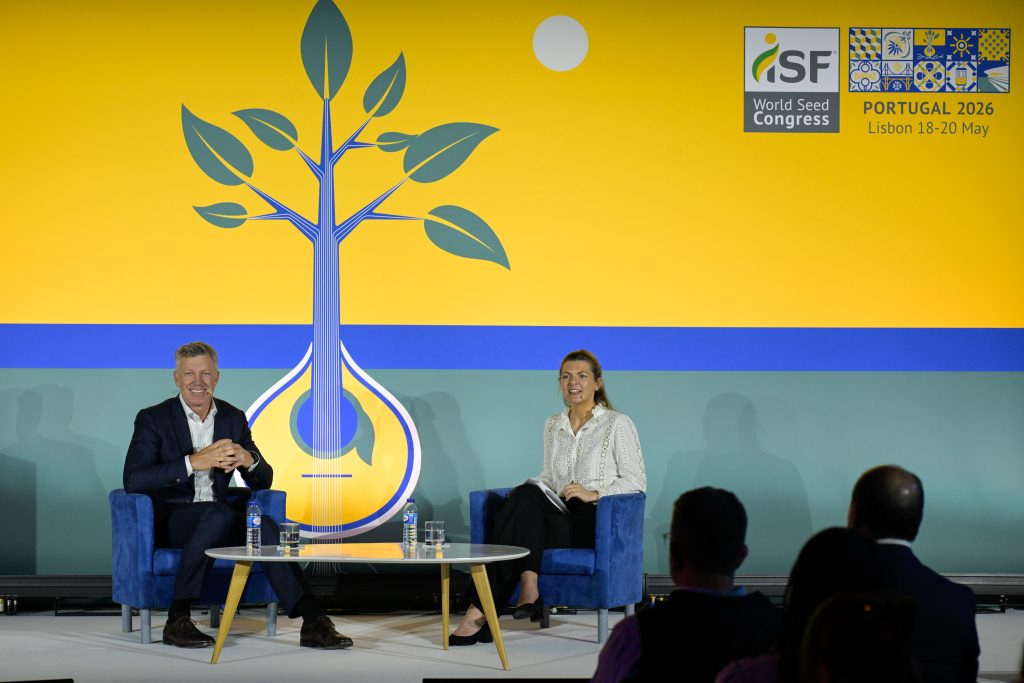
By working with journalists from different countries and organizations, including as moderators for various panel discussions, ISF aims to reach a diverse range of journalists who can explore the seed sector and tell its story through different perspectives. These relationships make it possible to connect global issues with local realities and explain the role of quality seed in building resilient agri-food systems in ways relevant to different audiences.
Long-Term Relationship Building
The Congress also reaffirmed the importance of building long-term relationships with the press. Effective communication is not built through one-off announcements or partnerships alone. It depends on open and constructive dialogue and mutual trust. Journalists are looking for opportunities to ask questions, meet experts, understand technical and policy issues, and see firsthand how the seed sector contributes to sustainable agriculture and food security.
Supporting agricultural journalism is therefore central to ISF’s outreach strategy. Agricultural journalists play a vital role in translating complex scientific, regulatory, and business issues into stories that are technically accurate yet meaningful to different audiences, especially farmers. Their work helps strengthen public understanding of why quality seed matters and why enabling policy and international collaboration are essential.
At a time of climate change, geopolitical uncertainty, market disruption, and evolving societal expectations, independent journalism is more important than ever. The media coverage from Lisbon amplified the voices of the seed sector and brought its key messages to audiences around the world.#
Selected Coverage
- AP News: Record attendance at World Seed Congress as sector navigates geopolitical and economic uncertainty
- La Nación (Argentina): Por primera vez en 100 años: una argentina asumió la presidencia de la principal federación mundial de semillas
- 20 Minutos (Spain): Productores de semillas buscan cómo alimentar al mundo a pesar del cambio climático y las guerras
- 20 Minutos (Spain): Las “falsas abejas” que ayudan a alimentar el planeta
- Devex Dish – The seed industry’s silver linings playbook
- IPS News: Connecting the Dots: Quality Seed, Resilient Food Systems and Good Health
- TN (Argentina) — Una empresaria argentina conducirá la principal entidad semillera del mundo
- AgroMais (Brazil) — World Seed Congress discusses innovation and sustainability
- National Law Review — World Seed Congress 2026 closes in Lisbon with record participation and election of first female ISF President
- Farmer’s Journal (Ireland) – Watch: Seed congress – where some 8.8m tonnes of seed are traded
- Agroklub (Croatia, Serbia, Bosnia & Herzegovina) – Seed quality: Half of yield growth comes from genetics