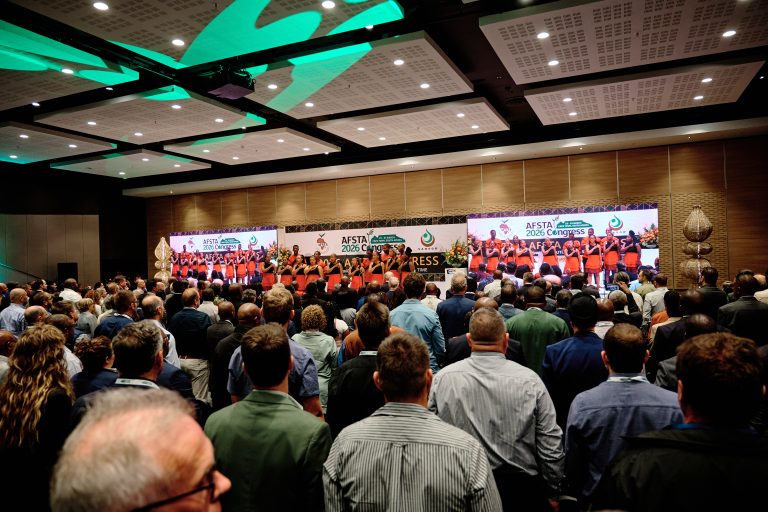
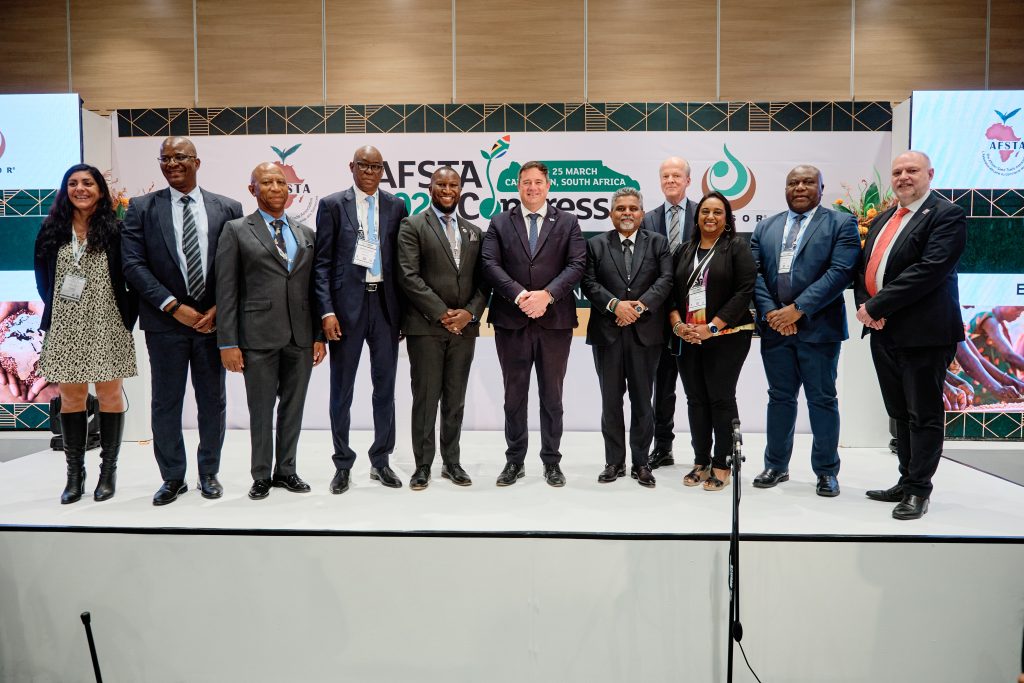
Cape Town, South Africa — Held under the theme “Empowering Africa’s Future, One Seed at a Time,” the AFSTA 2026 Congress brought together more than 500 delegates in Cape Town from 23 to 25 March 2026 for three days of discussion on seed trade, innovation, and the future of Africa’s seed sector. Hosted at the Century City Conference Centre, the Congress convened seed industry leaders, policymakers, researchers, and other stakeholders from across Africa and beyond.
Quality Seed as the Foundation of Resilient Food Systems
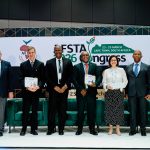
The Congress opened with a strong message on the central role of seed in agricultural development. South African Minister of Agriculture John Steenhuisen described seed as the foundation of resilient food systems and stressed the importance of regulatory frameworks that protect quality while enabling innovation. He also stressed the need for better alignment across policy, science, investment, and regional cooperation on the continent for African agriculture to operate as a more connected and competitive system.
AFSTA’s outgoing President, Amadou Sarr, used the occasion to underline the importance of strategic continuity for the sector. Reflecting on AFSTA’s work over the past 26 years, he called on the association’s new leadership to advance a forward-looking plan that strengthens regional seed trade, improves quality assurance, and equips the sector to respond to climate-related challenges.
Shaping the African Seed Landscape
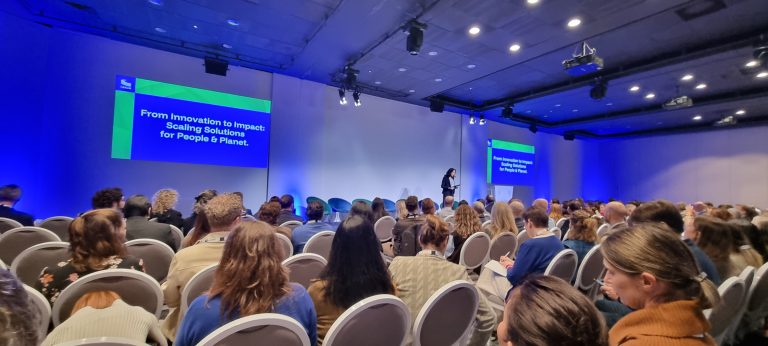
Across the programme, discussions focused on a set of common pressures shaping the African seed landscape. Participants pointed to geopolitical instability, fragmented regional markets, inconsistent regulations, weak implementation of the laws, climate pressures, and disruptions to global supply chains as constraints on seed movement, investment and innovation, and farmer access to quality seed. A recurring agreement was that stronger public-private collaboration, more science-based regulation, more consistent legal enforcement, and closer cross-border coordination are essential to building a more resilient and competitive African seed sector.
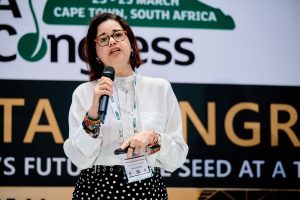
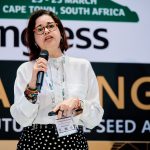
ISF contributed directly to some of these discussions. Dr. Rose Souza Richards, ISF Director for Phytosanitary Affairs and Seed-Related Innovations, delivered the keynote address during the session “Trading Seeds, Growing Economies: Managing Phytosanitary Challenges to Enable Efficient Seed Movement Across Africa.” The discussion highlighted practical bottlenecks affecting seed movement and pointed to regional efforts already underway to improve efficiency. Her intervention emphasized that the most effective systems combine transparent requirements, science-based rules, digital certification and sustained dialogue and mutual trust between regulators and industry. These elements are critical to ensuring the safe and timely movement of seed across borders. (Read more in this article on Farmers’ Weekly)
ISF President Arthur Santosh Attavar also spoke during the panel on “Challenges and opportunities in supporting African seed trade and security.” He reaffirmed ISF’s commitment to supporting AFSTA and the broader African private seed sector in advancing its priorities, including enabling seed companies to operate more effectively across the continent, streamlining and harmonizing regulations, and helping ensure that farmers can access quality seed of their choice.
ISF congratulates AFSTA and SANSOR on a successful Congress that fostered practical dialogue, regional engagement, and a shared focus on the policy and trade conditions needed to strengthen the regional seed sector. The 2027 edition will be held on 23-25 March in Nairobi, Kenya.#