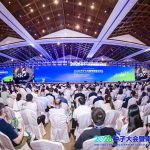
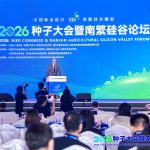
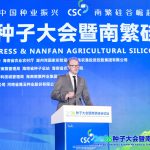
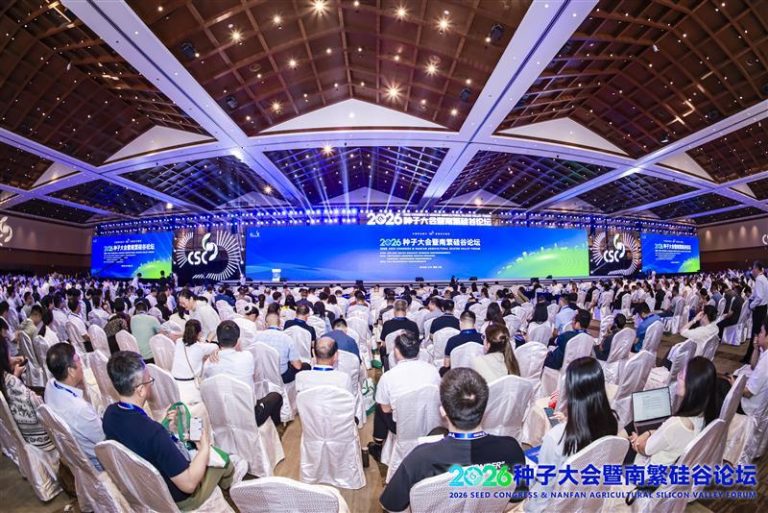
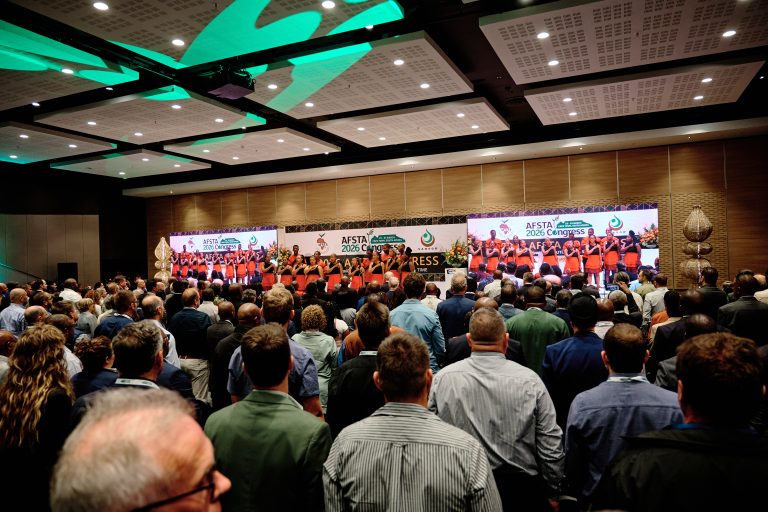
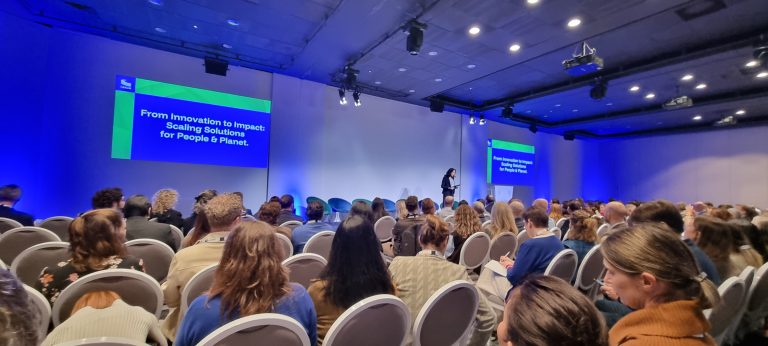
On 27-31 March, the International Seed Federation (ISF) participated in the China Seed Congress and Nanfan Agricultural Silicon Valley Forum in Sanya, Hainan, China. Organized by the Chinese Seed Association, the event brought together leaders from across the seed sector for a high-level opening ceremony, main forum, 10 sub-forums, and four specialized events. Discussions spanned policy and regulation, scientific innovation, industry implementation, and international cooperation, reflecting both the scale of the event and the growing strategic importance of seed systems in global agriculture.
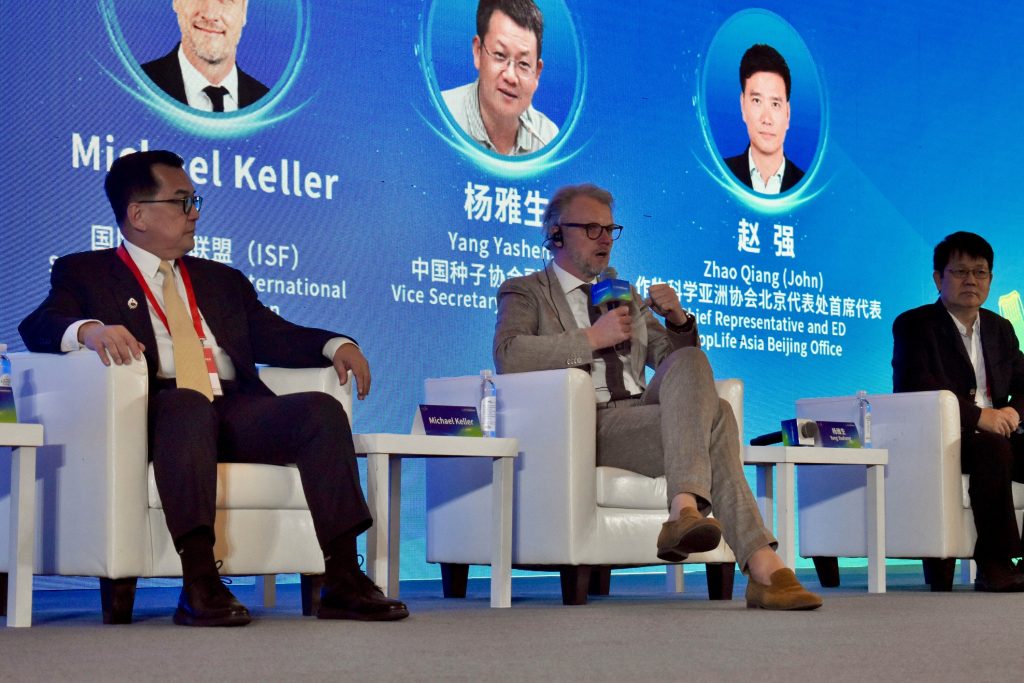
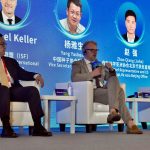
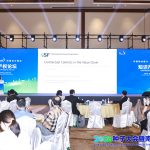
ISF’s presence in Sanya underscored the value of stronger international collaboration at a time when agriculture faces mounting pressure to deliver on productivity, resilience, and sustainability. During the Opening Ceremony and the International Cooperation Forum, ISF Secretary General Michael Keller highlighted the significant progress made by the Chinese seed sector in areas that matter to the future of the global seed sector. These include expanding international cooperation, strengthening intellectual property rights protection, and advancing science- and risk-based approaches to gene editing and phytosanitary measures.
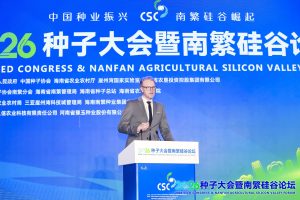
Michael Keller also presented the ISF Trade Rules, Mediation, Conciliation, and Arbitration system. This framework is designed to support the professional resolution of disputes related to the management of intellectual property rights in plant breeding. In an increasingly interconnected seed market, reliable dispute-resolution mechanisms help build confidence, reduce friction, and foster a more predictable business environment for companies and partners operating across borders.
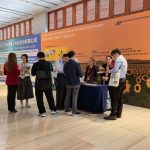
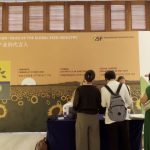
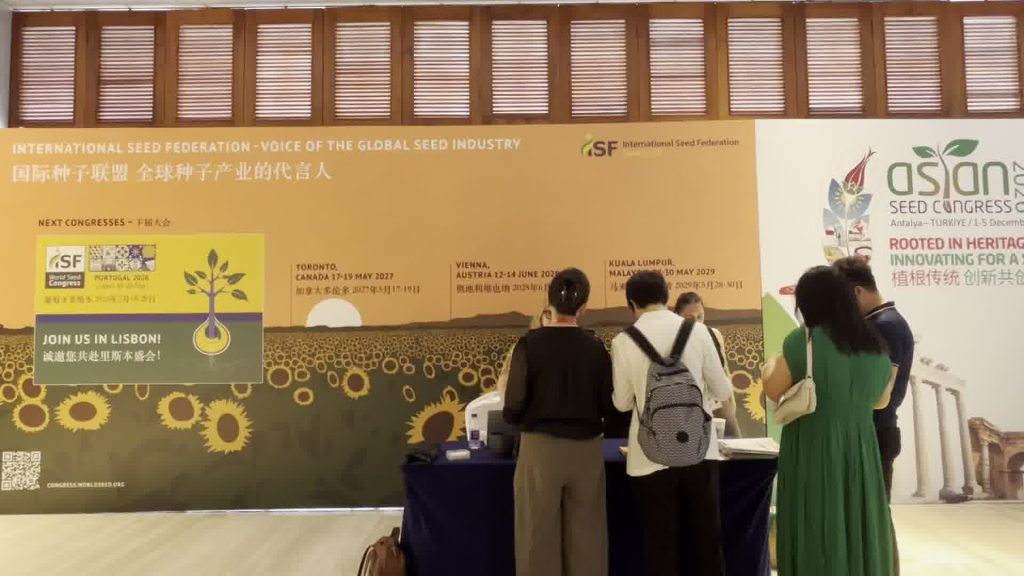
Alongside its participation in the conference program, ISF hosted a booth in Sanya to promote the ISF World Seed Congress. Notably, China represents the largest number of delegates registered for the 2026 ISF World Seed Congress in Lisbon, a clear sign of the country’s growing presence and engagement in the international seed community.
Strengthening Seed Health Assurance and Intellectual Property Rights
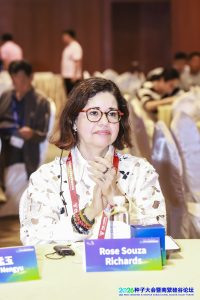
ISF also contributed to the event’s technical discussions. Dr. Rose Souza Richards delivered a presentation titled “From Testing to Trust: Strengthening Seed Health Assurance for Predictable Trade.” Her presentation focused on how confidence in seed health assurance systems can be strengthened through validated methods, representative sampling, traceability, production hygiene, documentation, and effective regulatory oversight. These elements are essential for enabling more predictable, science-based seed trade and for supporting trust among regulators, industry, and trading partners.
In addition, Dr. Souza Richards attended a meeting with representatives of the Chinese Government on seed inspection, quarantine, and the safe movement of germplasm in China. The discussion created space for constructive technical dialogue on pathway evidence, method validation, representative sampling, traceability, document flow, and opportunities for continued cooperation under the leadership of competent authorities. These exchanges are important because practical progress often depends not only on policy ambition, but also on shared technical understanding and workable implementation.
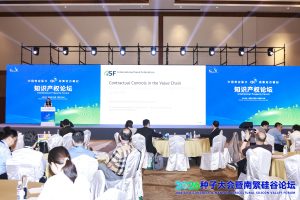
During the International Forum on Intellectual Property, Dr. Lorelei Garagancea presented on Essentially Derived Varieties, outlining the policy aspects of EDVs by placing them in the correct context. Namely, that EDVs are intrinsically linked to recognizing the prior work and value created by the holder of the initial variety. This is why, in assessing EDVs, the analysis necessarily starts with the act of derivation and the need to establish that an existing variety has been predominantly used in the creation of the EDV. Relatedly, the presentation also highlighted the need for a global approach to an assessment methodology and thresholds development per species. The advantages of such a global system are that it levels the playing field among seed companies worldwide and enables them to participate in global markets.
ISF’s engagements in Sanya reinforced ISF’s commitment to plant health standards, practical implementation, and trusted dialogue between regulators and industry. They also demonstrated the value of international platforms that bring diverse actors together around common goals. As global agriculture becomes more interconnected, collaboration of this kind will remain essential to supporting safe, predictable, and innovation-friendly seed trade.