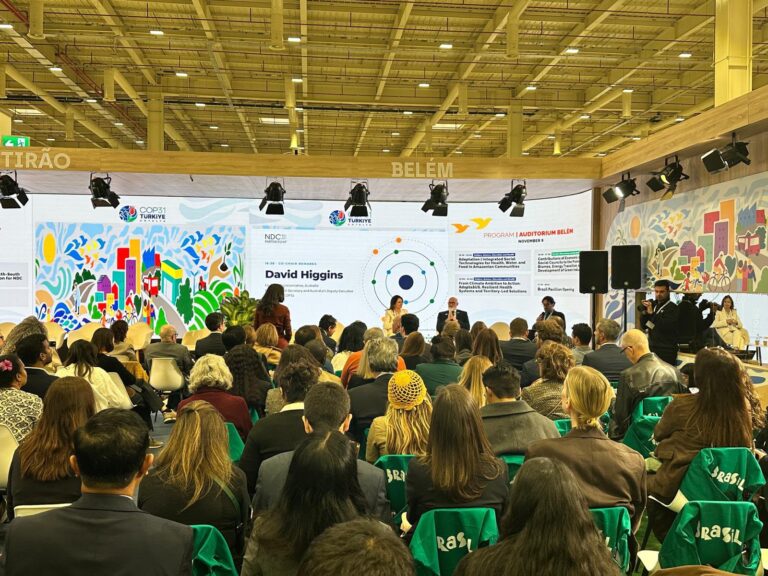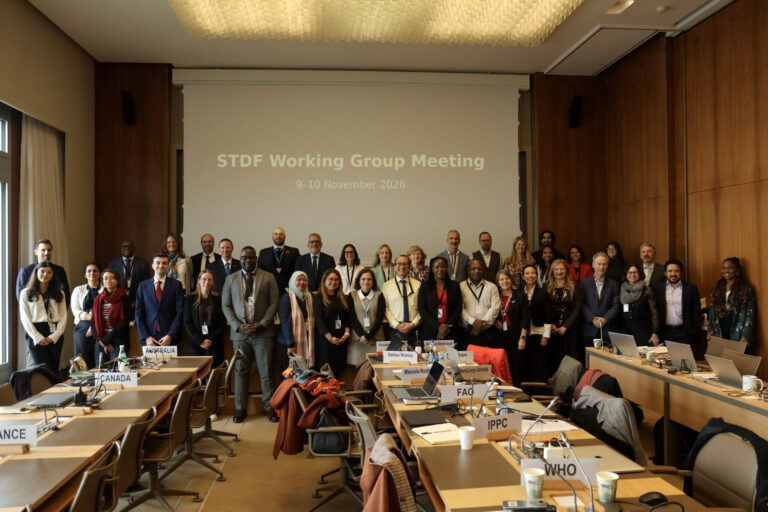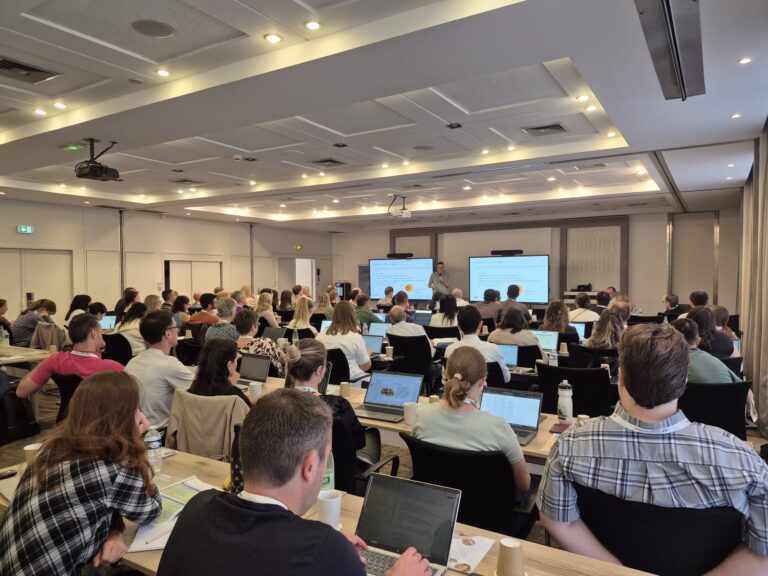
Antalya, Türkiye — At COP31, ISF was represented by Cristiane Lourenço, Director of Global Sustainability and Smallholder Farmers at Bayer Crop Science and a member of the ISF Environmental and Social Responsibility Group, and Süleyman İlgün, Board Member of the Turkish Seed Industry and Producers Sub-Association (TSÜAB) and Vice-Chair of the ISF Field Crops Advisory Group. Together and at different forums, they stressed the importance of seed innovation for climate resilience and as a primary tool for farmers to adapt to climate change.
Seed innovation as a climate adaptation tool
The COP 31 Presidency’s motto, “From Dialogue to Consensus, From Consensus to Action”, puts implementation at the center, including on food security. For agriculture, one of the most direct ways to act is to get quality seed into farmers’ hands. Climate-resilient, water-efficient varieties help farmers withstand drought, heat and pests, and produce more food from the same land, water and inputs.
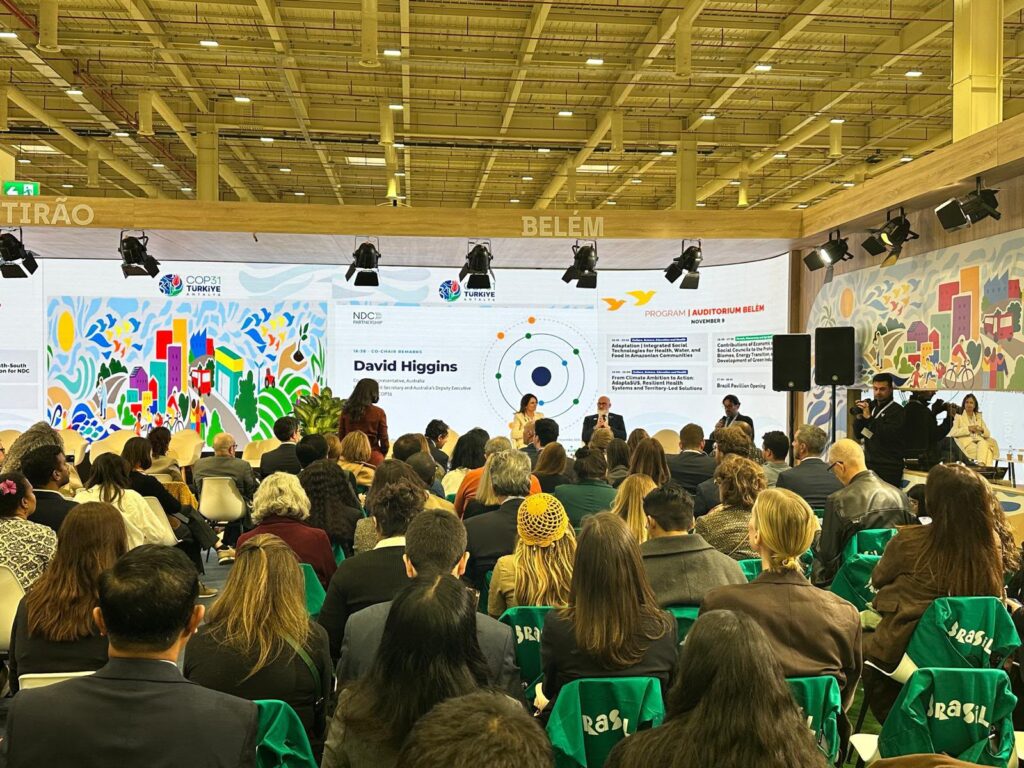
COP 31 and the Turquoise Nexus Initiative
That message is especially relevant to the Turquoise Nexus Initiative, launched at COP 31 by the Presidency and FAO to build food, water and adaptation into national climate plans. With agriculture accounting for about 70% of freshwater use, drought-tolerant varieties offer “more crop per drop”.
“Water and food security are closely linked, and farmers feel the pressure of climate change on both every day,” said Cristiane Lourenço. “Seed innovation can help them grow more with less water and cope with drought, heat and changing growing conditions.”
“As climate change puts increasing pressure on our food and water resources, we need varieties better adapted to drought, heat, and changing growing conditions,” said Süleyman İlgün.
Michael Keller, ISF Secretary General, added: “Water-efficient, drought-tolerant improved varieties are one of the most efficient and effective ways to put the nexus into practice in farmers’ fields. The global private seed sector stands ready to help countries and partners build these solutions into national climate and adaptation plans.”
As countries assess the outcomes of the latest COP, ISF will continue to call for predictable, science-based policies so that climate-resilient seed can reach farmers in the most vulnerable regions.#
Find out more about ISF’s work on Sustainability on our website.