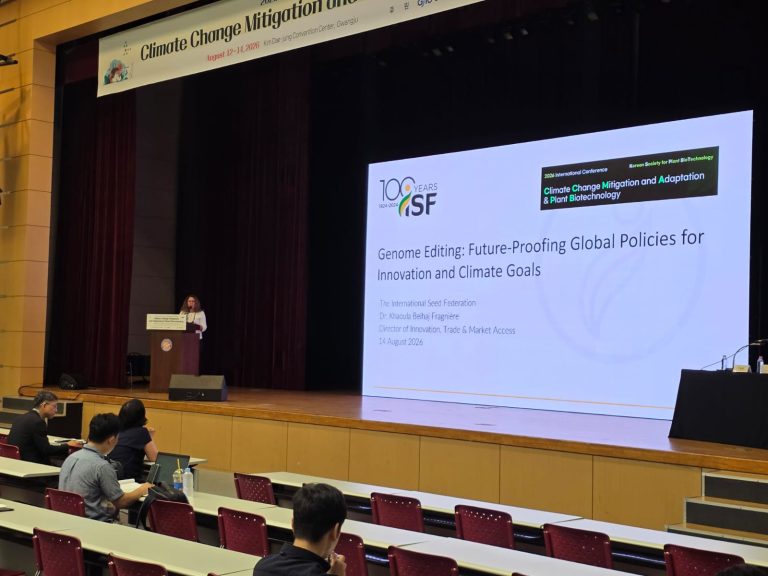
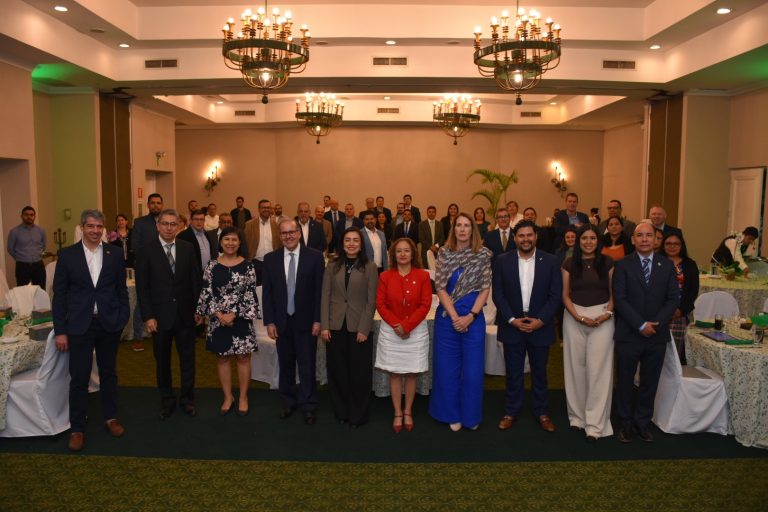
Last week, the International Seed Federation (ISF) actively contributed to two important OECD meetings, reinforcing the voice of the global seed sector in international policy discussions and collaboration frameworks.
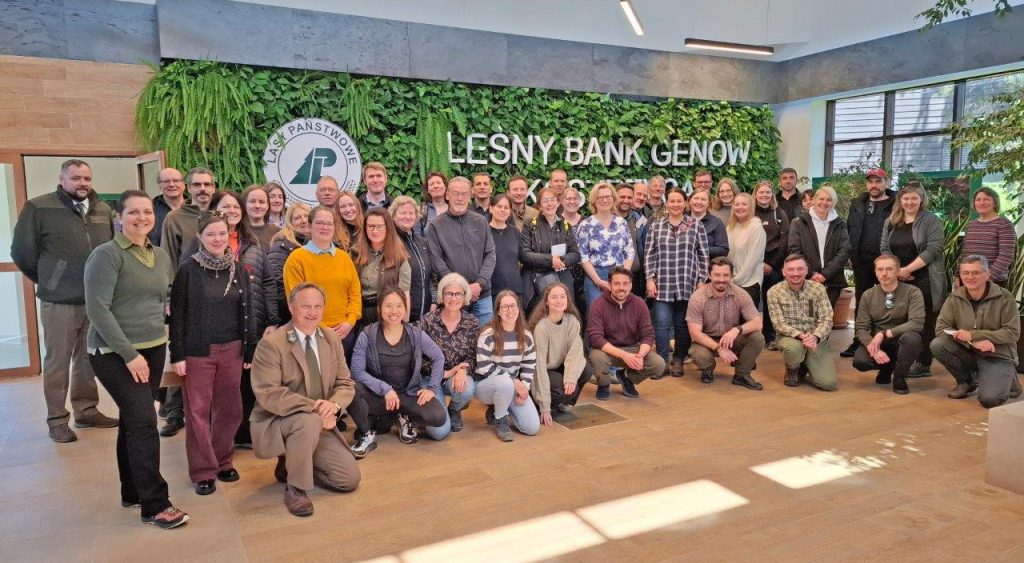
Advancing Forest Seed and Plant Policy
In Karpacz, Poland, ISF was represented at the OECD Forest Seed and Plant Scheme Technical Working Group (TWG) by Helen Richardson, a member of the ISF Tree & Shrub Special Group (TAS). Participation in this forum ensures that the perspectives of the private tree seed sector are reflected in ongoing OECD work and keeps ISF members informed of key developments.
Hosted this year by Poland, the TWG discussions focused on several strategic topics, including:
- Forest Reproductive Material (FRM)
- Capacity-building modules for OECD members
- Programme of Work for 2027–2030
- Seed testing frameworks
- Collaboration with EUFORGEN on policy briefs
- Alignment with OECD Seed Schemes on wild species
- Preparations for the Ninth Session of the FAO Intergovernmental Technical Working Group on Forest Genetic Resources (26–29 May 2026)
The exchanges are central to strengthening international cooperation and ensuring sustainable management of forest genetic resources.
Strengthening Seed Systems and Policy Dialogue in Paris
In parallel, ISF participated in the OECD Committee for Agriculture (COAG) meeting in Paris. ISF Director for Sustainabilty & Crop Value Chain Engagement, Ben Rivoire, who is also Vice-Chair of the Business at OECD (BIAC) Food & Agriculture Committee, contributed to discussions on the OECD’s Programme of Work and Budget for the next four years.
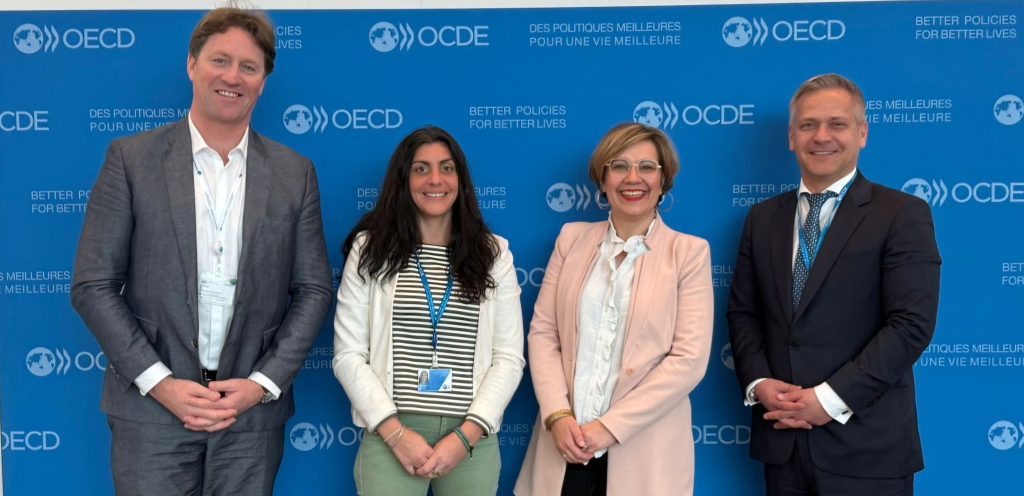
ISF’s Ben Rivoire with OECD Seed Schemes and BIAC leadership
A dedicated session on the OECD Seed Schemes highlighted their role in facilitating access to certified, high-quality seeds for farmers worldwide. A key focus was the OECD-G7 initiative to strengthen seed certification in Africa, in which ISF is a strategic partner; the initiative received strong support from member countries.
The case of the United Republic of Tanzania demonstrated the tangible impact of these efforts: increased availability and adoption of certified seeds has improved farmers’ productivity, strengthened national markets, and supported broader food security objectives.
Coordinating Private Sector Engagement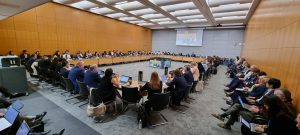
The BIAC Food & Agriculture Committee also convened under its new Chair, Natasha Santos Eastwood, to define strategic priorities for the coming years. This platform plays a critical role in ensuring that private sector expertise is effectively integrated into OECD policymaking, fostering coordinated engagement across the agri-food value chain.
Driving Impact Through Collaboration
ISF’s participation in these meetings underscores its commitment to advocating for efficient, science-based regulatory frameworks that enable innovation, trade, and access to quality seeds globally. Strengthening partnerships with international organizations and stakeholders remains central to ISF’s mission.
Looking ahead, ISF will continue to build on this engagement, including at the upcoming World Seed Congress 2026 in Lisbon, where global dialogue on seed policy and innovation will continue.#