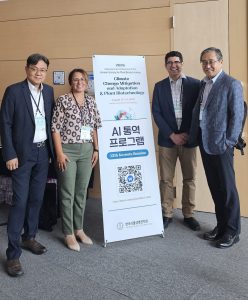
Gwangju, Republic of Korea – Dr. Khaoula Belhaj Fragnière, ISF Director of Innovation, Trade & Market Access, represented the International Seed Federation at the prestigious Korean Society of Plant Biotechnology Conference held under the theme “Climate Change Mitigation and Adaptation & Plant Biotechnology” from 12-14 August 2026 at the Kim Dae-jung Convention Center.
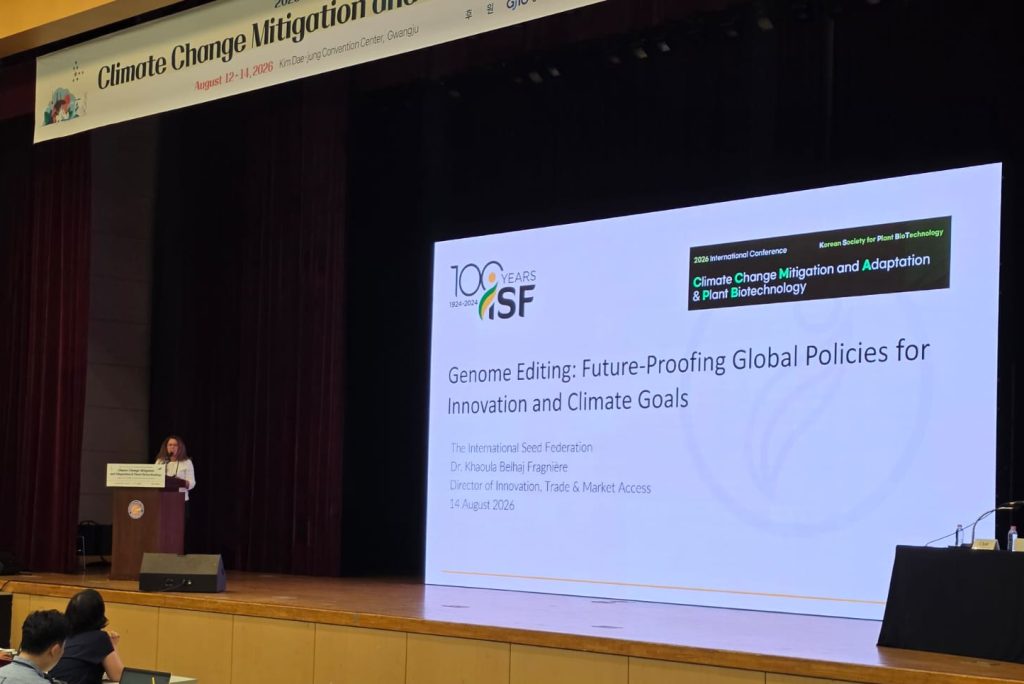
Speaking during the conference’s closing session on New Breeding Technologies, Khaoula opened the program with a presentation titled “Genome Editing: Future-Proofing Global Policies for Innovation and Climate Goals.”
She shared the global seed sector’s perspective on the rapidly evolving regulatory landscape for genome editing, highlighting key international trends, challenges and opportunities. Her presentation underscored the importance of science-based, transparent and future-ready regulatory frameworks that enable innovation while supporting climate resilience, sustainable agriculture and international seed and agricultural trade.
Connecting innovation, climate resilience and regulation
The session brought together leading Korean researchers, policymakers, industry representatives, and journalists to examine how plant biotechnology and genome editing can help address climate-related challenges.
As countries around the world develop different approaches to regulating genome-edited plants, greater regulatory clarity and coherence are increasingly important for researchers, plant breeders, farmers and companies operating across international markets.
Khaoula highlighted the need for regulatory approaches that are proportionate to risk, provide predictability for innovation and facilitate the movement of seed and agricultural products across borders.
Her presentation generated significant audience interest and was featured in Maeil Business, one of Korea’s leading economic and business newspapers.
Strengthening dialogue with Korean stakeholders
Alongside the conference, Khaoula participated in a series of meetings organized by Sean Kim and Sung Hang Park of CropLife Korea with senior representatives from government, industry and public research institutions.
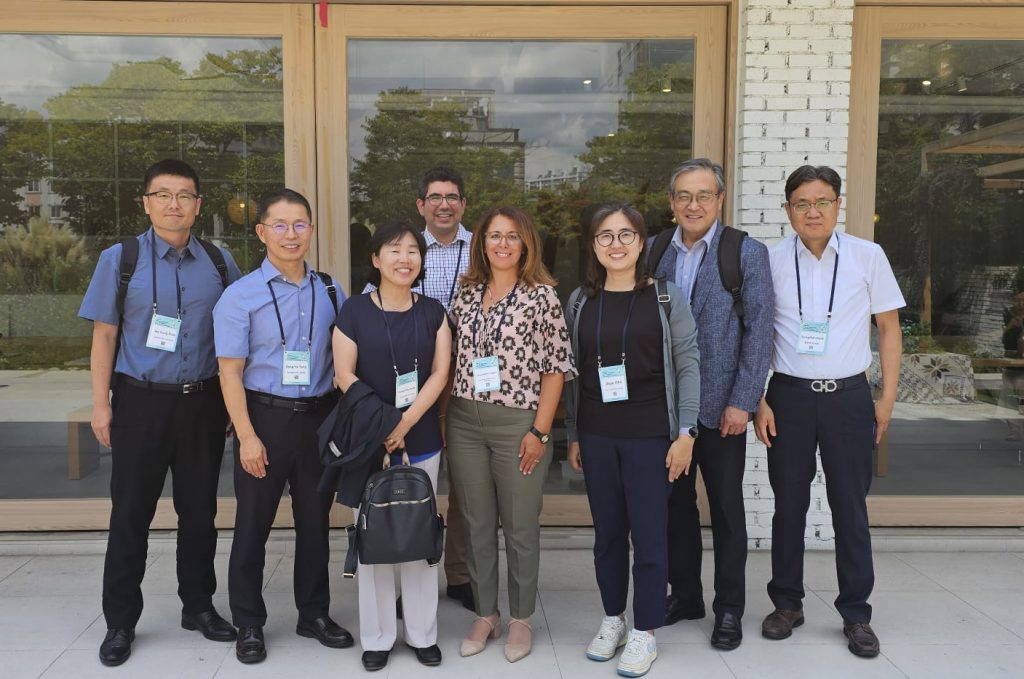
Discussions covered global developments in genome editing applications and regulatory frameworks across food, feed and environmental sectors. Participants also exchanged perspectives on how regulatory alignment, transparency and predictability can support innovation, market access and international trade.
The meetings provided an opportunity to share international experience and regulatory best practices while strengthening collaboration between ISF and Korean stakeholders.
They were particularly timely as Korean stakeholders consider next steps in developing the country’s draft genome editing regulation.
Supporting future-ready regulatory frameworks
ISF’s participation in Gwangju reflects its continued commitment to constructive engagement with policymakers, researchers and industry around the world.
By contributing international seed sector expertise to regulatory discussions, ISF advocates for science-based and proportionate policies that enable plant breeding innovation while providing regulatory clarity and predictability.
Such frameworks will be increasingly important as agriculture responds to climate change, evolving production challenges and growing pressure on global food systems. International regulatory coherence can help ensure that innovation reaches farmers efficiently, support predictable seed trade and contribute to more resilient and sustainable agriculture worldwide.#