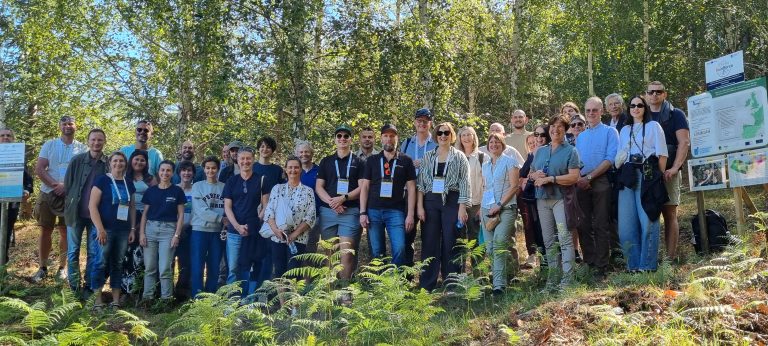
Beijing, China — On September 4-9, ISF’s Dr Rosineide Souza Richards, Director of Phytosanitary Affairs and Seed-Related Innovation, appeared at three events to bring the global seed sector’s practical experience into conversation with Chinese regulators, researchers and industry, underscoring the importance of proportionate, evidence-based phytosanitary regulation.
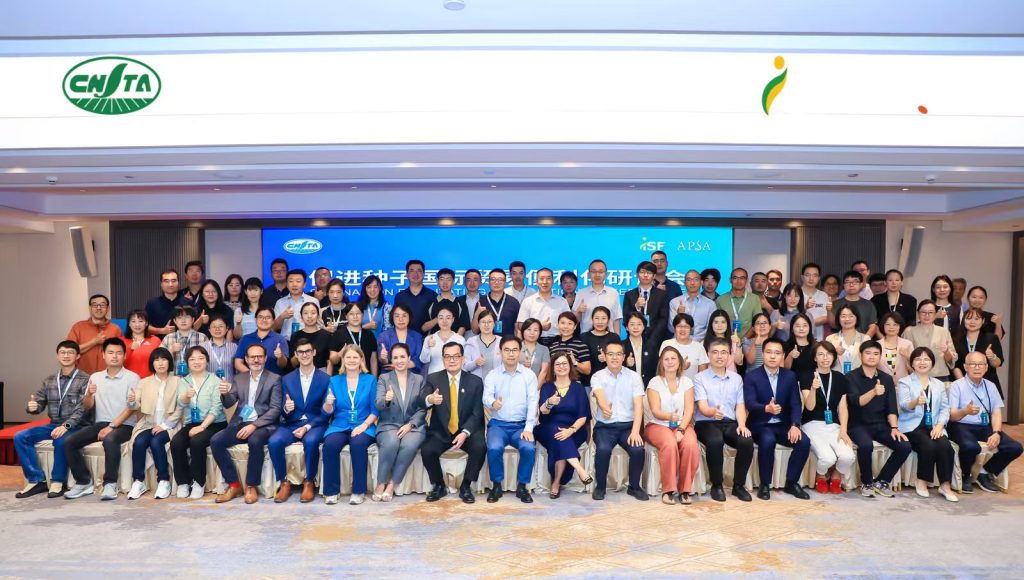
A joint seminar on international seed trade
On 7–8 September, the China National Seed Trade Association (CNSTA), ISF and the Asia and Pacific Seed Alliance (APSA) co-organized the Seminar on Facilitating International Seed Trade. The programme combined technical sessions, structured dialogue and a site visit. It focused on how regulatory requirements translate into decisions on real seed shipments, from sampling to reliable diagnostic testing to interpreting results. Discussions on CLso and ToBRFV showed how biological evidence can inform proportionate measures.
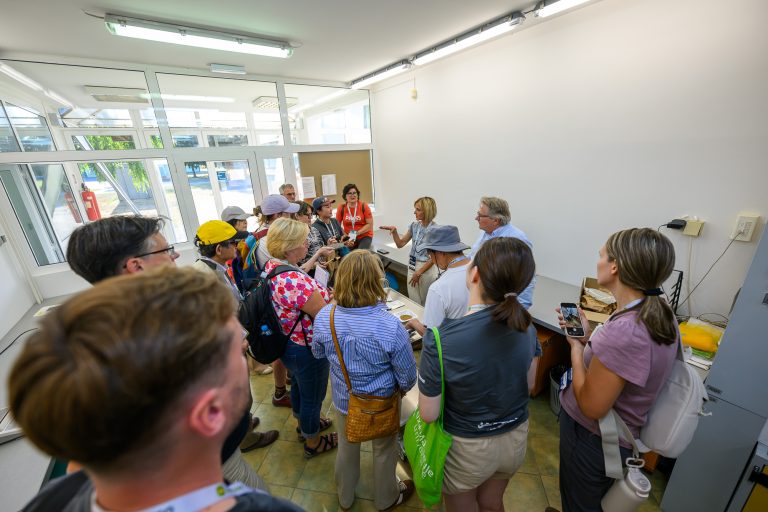
Dr Souza Richards presented a roadmap for predictable, proportionate and science-based phytosanitary regulation of seed. It proposes a phased approach: agree on pest-pathway evidence, run focused pilots, then move towards recognition of trusted systems. Preventive controls throughout production, traceability and oversight by national plant protection organizations (NPPOs) underpin each step. Participants also visited the Vegetable Seed Quality Supervision, Inspection and Testing Center and the Vegetable Research Institute, where they saw how testing methods and seed-borne pest research support regulatory decisions.
Focus on vegetable seeds
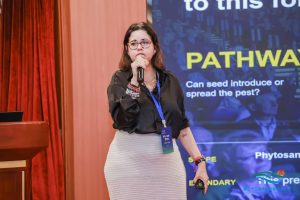 At the Forum on Vegetable Seed Industry and Entrepreneurial Development, part of the 33rd China Beijing Seed Industry Conference, Dr Souza Richards discussed how phytosanitary risk management can support dependable vegetable seed trade by building confidence across the production chain, before seed reaches the border. Vegetable seed shipments may be small in voluem, but a delay can mean a missed planting or multiplication window, which can affect a whole season, limit variety availability and add costs.
She demonstrated how a systems approach can build confidence before seed reaches the border. Documented controls, traceability and corrective action give regulators evidence, and they allow measures already applied before shipment to be recognized, reducing repeated checks.
Another key message concerned the intended use of seed. Research samples, controlled trials and commercial planting involve different levels of exposure, which should inform risk assessment. The presentation also emphasized the importance of comparable sampling and diagnostic methods, alongside rapid technical communication when unexpected results arise.
To explore these principles in practice, the presentation proposed a focused vegetable seed pilot in China. Starting with one crop and a defined pathway, partners could agree on the evidence required and jointly review phytosanitary findings and clearance times. Such an initiative could help turn dialogue into practical cooperation, strengthening plant health protection while improving the predictability of vegetable seed movement.
Risk, standards and international cooperation
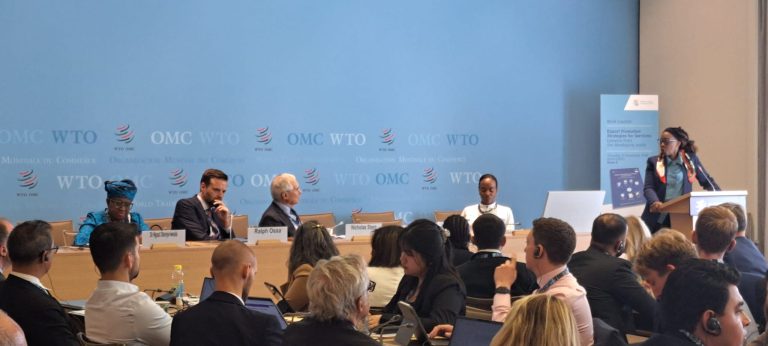
At the Forum on Intellectual Property Protection and International Cooperation, Dr Souza Richards presented how regulatory cooperation and scientific evidence can help protect plant health while supporting predictable seed trade. Finding an organism in a seed lot is only the start. Authorities also need to consider its viability, its potential for transmission and its ability to establish in the importing country. This kind of evidence justifies proportionate measures.
A central message was the importance of assessing the actual risk of pest transmission through seed. Detecting an organism in a seed lot requires further consideration of its viability, transmission potential, and ability to establish in the importing country. This evidence provides the basis for proportionate phytosanitary measures.

Drawing on international standards, particularly ISPM 38 on the international movement of seeds, the presentation highlighted the importance of consistent implementation. Comparable sampling and diagnostic methods help authorities interpret results and build confidence in evidence generated before export. Recognizing equivalent phytosanitary measures and strengthening digital certification through ePhyto offer further opportunities to reduce duplication while maintaining protection.
The presentation also emphasized the need for clear import requirements and direct technical communication when unexpected results or non-compliance arise. Cooperation between national plant protection organizations, laboratories and seed companies can help resolve these situations promptly and improve future decisions.
ISF’s contribution underlined that regulatory cooperation is essential to effective phytosanitary protection. Continued dialogue with Chinese and international partners offers an opportunity to translate shared standards into practical improvements for the safe movement of seed.#