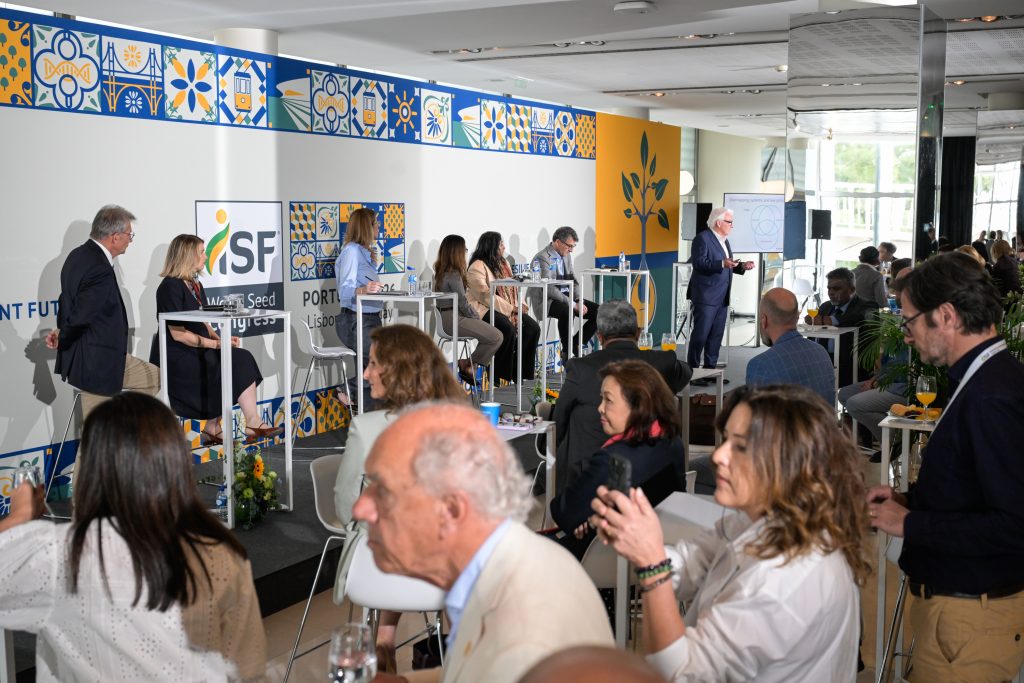
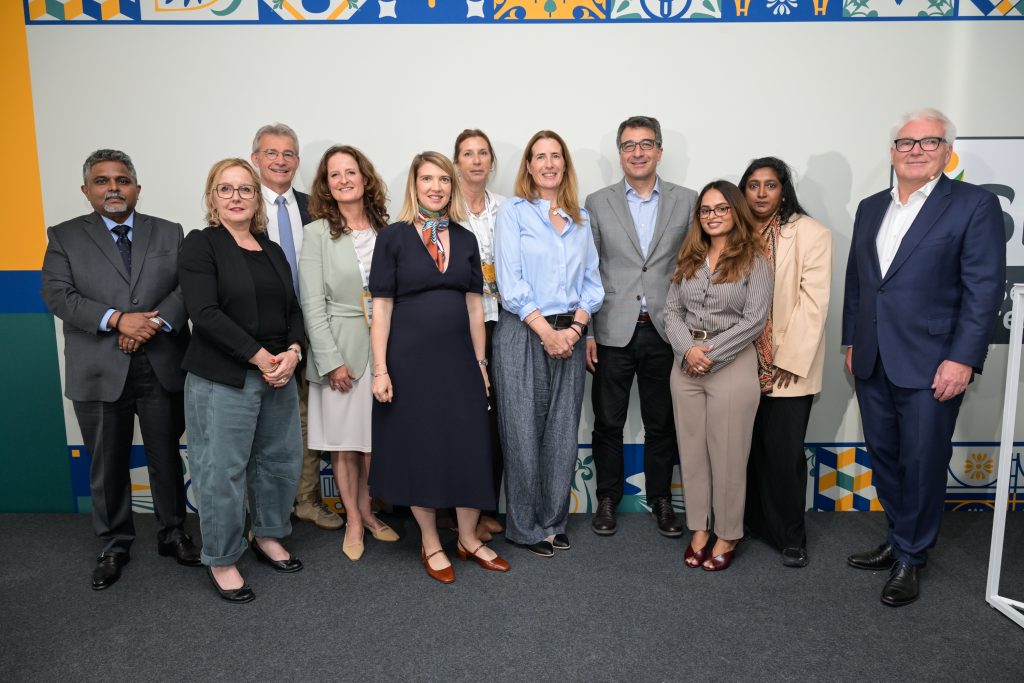
Family businesses took the spotlight for the first time at the ISF World Seed Congress 2026. A panel discussion moderated by Albert Jan Thomassen of the Family Business Network (FBN) in the Netherlands explored the distinctive role of family-owned businesses in the global seed industry.
Featuring representatives from Basso Semillas, Semillas Fitó, Indo-American Hybrid Seeds (Indam Seeds), and Gautier Semences, the session examined what makes family enterprises resilient, how they manage succession, and why governance is critical to long-term success.
Family businesses often operate with a different time horizon. Rather than focusing only on immediate returns, they tend to prioritize continuity, legacy, and the ability to pass the company on in stronger condition.
“We want to leave the company in a better shape to the next generation than the way we got it from our previous generation.” – Jan-Albert Thomassen, FBN Netherlands
Long-Term Thinking as a Competitive Strength
This long-term orientation is particularly relevant in the seed sector, where innovation cycles can take up to 10 years, trust is built over decades, and relationships with farmers, employees, and customers matter deeply. Family businesses can often make decisions quickly while staying grounded in values shaped over generations.
 A major theme of the session was the importance of strategic governance. As companies grow, family members may need to shift from operational roles into ownership and governance roles.
Eduard Fitó of Semillas Fitó emphasized the need to move from “execution to governance” and to have the “boldness to withdraw” from management when the time is right.
Good governance means clarifying the roles of owners, boards, and management. It also means creating structures that allow professional managers and the next generation to contribute effectively.
Succession as an Investment in the Future
Succession was described as one of the most important responsibilities of family business leadership.
The panel stressed that succession should not be treated as a single event. It is a living cycle that requires early involvement, preparation, and trust. Jacques Gautier of Gautier Semences highlighted the value of engaging the next generation through a “very human approach,” allowing them to understand the business, its culture and its responsibilities over time.
Family seed companies also face major strategic challenges: attracting talent, navigating regulation, managing new breeding technologies, maintaining freedom to operate, and staying focused as product portfolios become more complex.
Some companies are repositioning themselves as technology companies to attract younger talent and reflect the changing nature of the seed sector.
The strongest family businesses are not static. They adapt, professionalize, and sometimes even consider mergers or new ownership structures. But the family’s purpose, values and continuity remain at the center.
In a sector built on patience, innovation, and trust, family businesses bring an essential perspective: success is not only measured by the next season but by the next generation.#