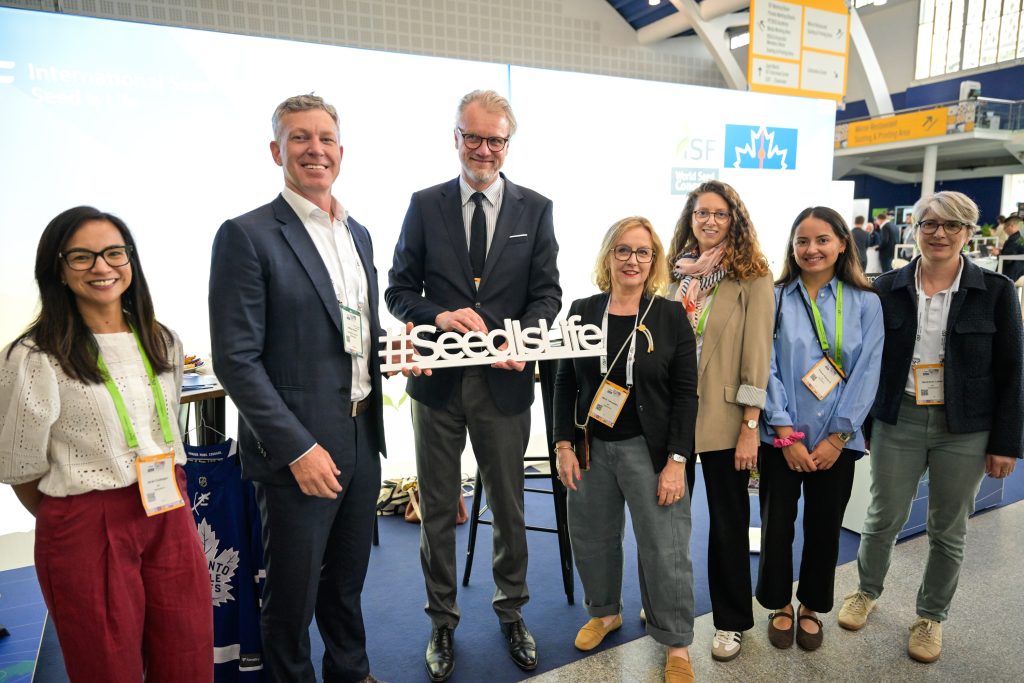
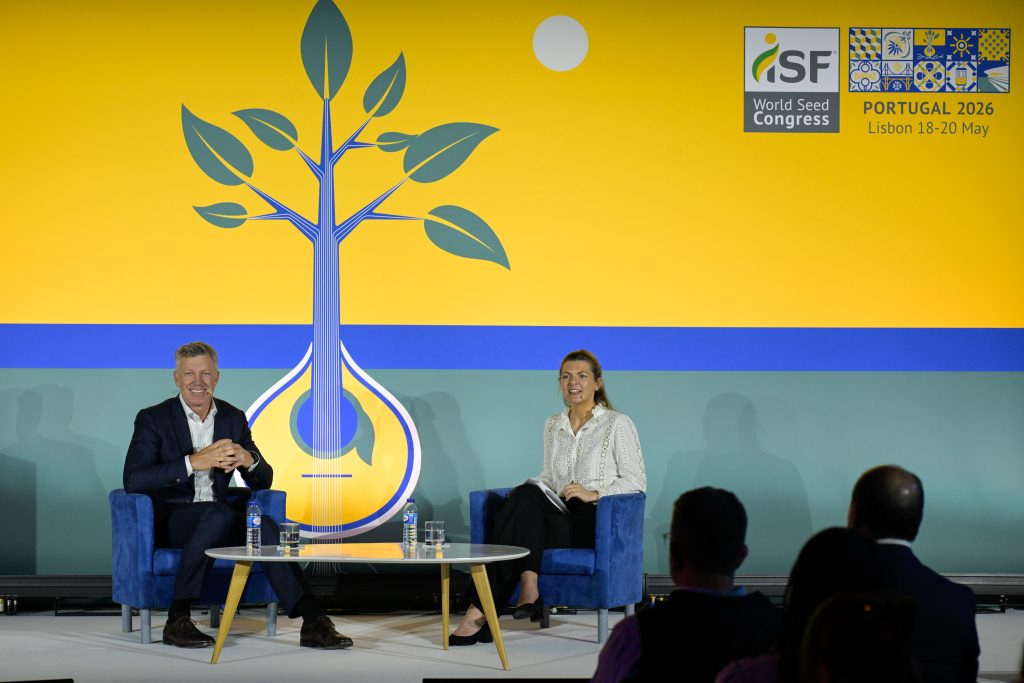
At the ISF World Seed Congress 2026, Jeff Rowe, CEO of Syngenta Group, joined a fireside chat with Susannah Savage, Financial Times‘ Agriculture and Commodities Correspondent, on the future of agriculture, the pressures facing farmers and the role of innovation in building more resilient food systems.
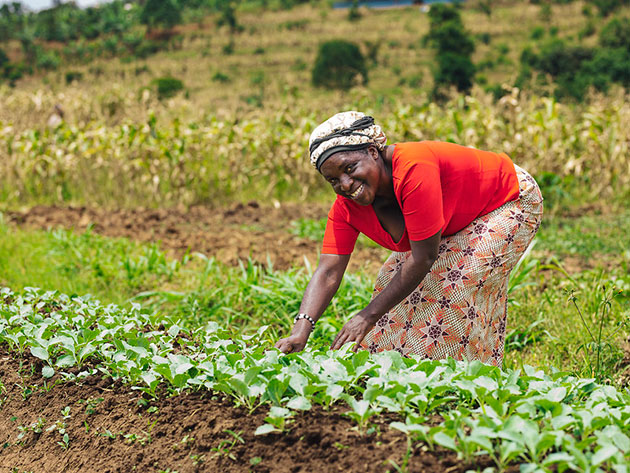
The conversation highlighted a central reality for the seed and agriculture sectors: farmers are operating in an increasingly complex environment. Unpredictable weather, market volatility, rising input costs, and shifting regulatory expectations are putting pressure on farm profitability. Yet agriculture remains one of the most resilient and essential sectors in the global economy.
Farmers at the Center of Resilience
In a packed auditorium in Lisbon, Rowe emphasized that farmers are facing challenges from every direction. Fertilizer, fuel, and financing costs have increased, while weather patterns have become harder to predict. This has compressed margins and made long-term planning more difficult.
Despite this, farmers continue to adapt. Their resilience is one of agriculture’s greatest strengths, but it should not be taken for granted. The seed and wider agriculture sector has a responsibility to provide tools, technologies, and enabling policies that help farmers remain productive, profitable, and sustainable.
A major theme of the discussion was the role of innovation, particularly artificial intelligence. Rowe explained that Syngenta is using AI and machine learning to optimize supply chains, strengthen research and development, and accelerate the delivery of new products.
“We think that we can reduce the time to market and the cost by around 30% by using artificial intelligence machine learning type approaches.” – Jeff Rowe
For the seed sector, this points to a broader transformation. Digital technologies are no longer peripheral to agriculture. They are increasingly embedded in product development, logistics, decision-making, and farmer support. Rowe noted that every new product Syngenta currently launches incorporates some form of AI.
Higher Yield, Lower Impact
Sustainability was another core focus. Rowe described the goal as “higher yield, lower impact”: helping farmers produce more from existing land and resources while reducing agriculture’s environmental footprint.
This is a critical balance. Food security requires productivity, but productivity must be achieved in ways that protect natural resources, support biodiversity and reduce emissions. Innovation in seed, crop protection, digital agriculture, and agronomy can help and is already helping farmers do more with less.
Rowe also addressed regulation, particularly regarding genome editing and new plant breeding techniques.
“My message to policmakers: trust the science” – Jeff Rowe
H e argued that regulatory systems must be science-based, predictable, and not overly politicized. Without clear and proportionate regulation, innovation can be delayed or blocked, limiting farmers’ access to tools that could improve resilience and sustainability.
The discussion also underlined the importance of public engagement. Agriculture needs to explain not only what technologies do but also why they matter — for farmers, consumers, food security, and the environment.
A New Generation for Agriculture
Looking ahead, Rowe expressed optimism about the future of farming. As agriculture becomes more digital and technology-driven, it is becoming more attractive to younger generations. Digital tools can also help level the playing field for smallholder farmers by improving access to information, services and markets.

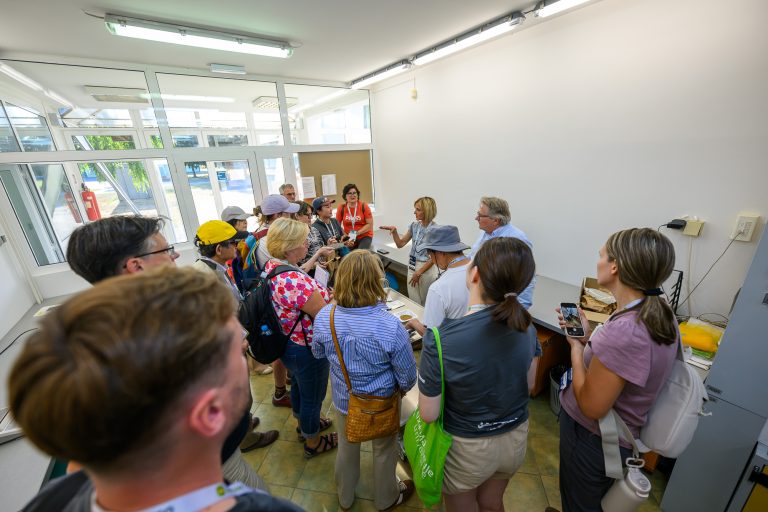
During his engagement at the World Seed Congress 2026, Rowe also set aside time to meet with the Future Generation delegates, engaging in an intimate chat about what it’s like to work in the seed sector, the diverse challenges and opportunities, and how young people can encourage fellow youth, students, and young professionals to enter agriculture and farming.
The future of agriculture will depend on resilient farmers, enabling policies and continued innovation. The opportunity is clear: to produce more, waste less, and build food systems that are ready for the challenges ahead.#