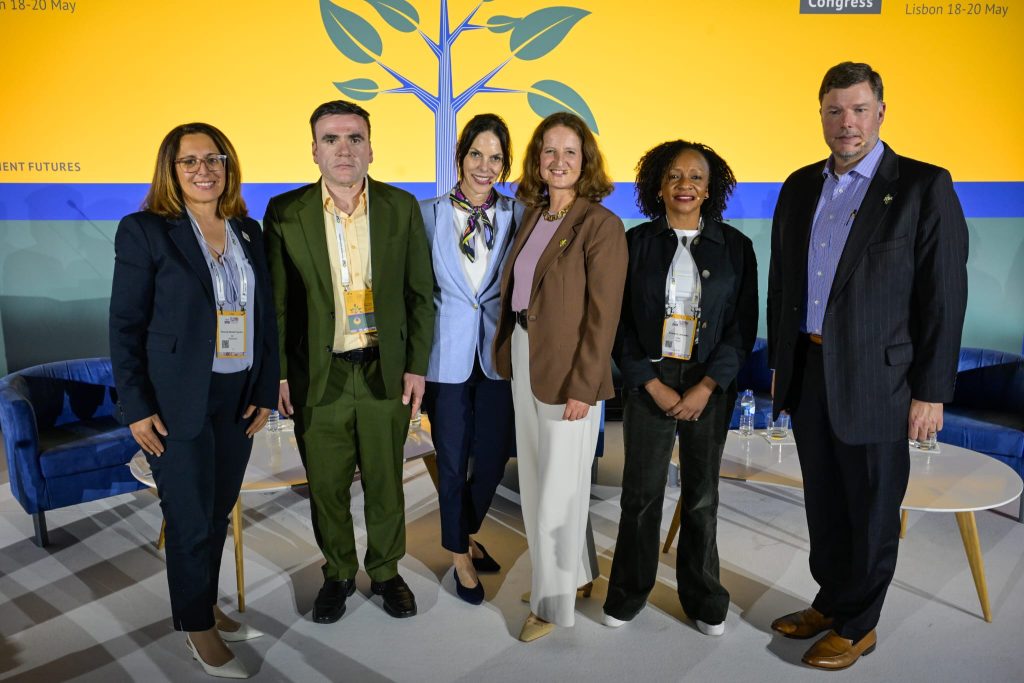
At World Seed Congress 2026, a panel moderated by Julie Borlaug of the Borlaug Foundation examined how to build seed systems that are truly inclusive and responsive to farmers’ needs.
Bringing together researchers, industry experts and a farmer from the Philippines, the discussion focused on a simple reality: innovation only succeeds when farmers can access it, trust it, afford it and connect it to viable markets. Panelists were Evelyn Lusenaka, CESSA Director, AGRA; Trey Key, Managing Director, Gates Agricultural Innovations (Gates Ag One); Maaike Groot, Group Head of Public Affairs and Communications, East West Seed; Amanullah Alamzai, Senior Agricultural Economist, World Bank Group; and joining virtually was Leah Salvaleon, Bukidnon PhilGAP Farmers Association, Philippines.
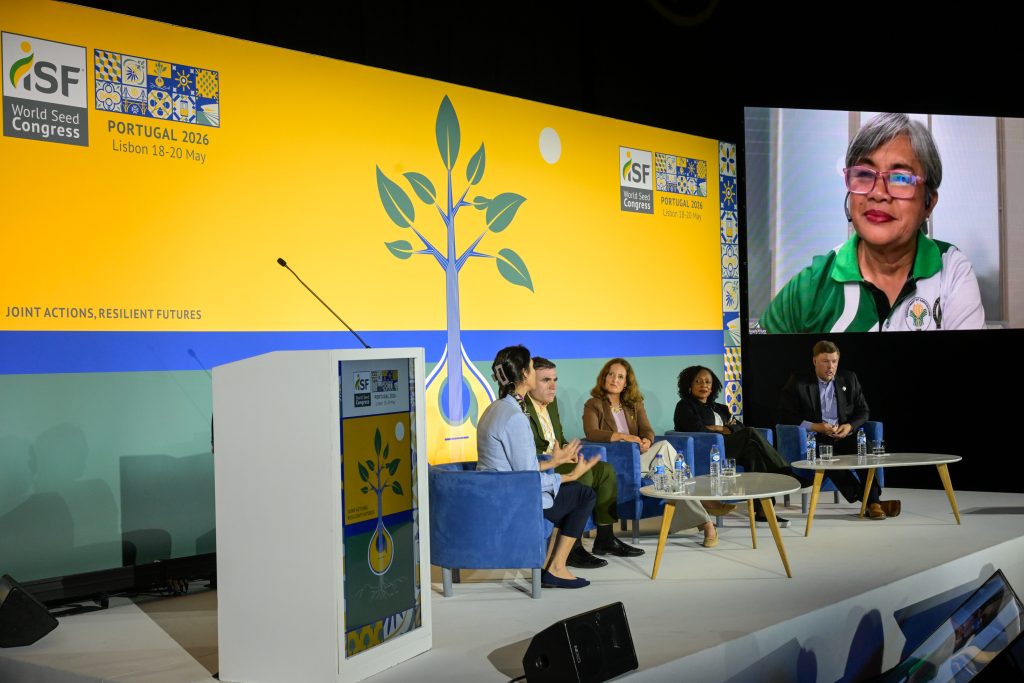
Markets Drive Seed Adoption
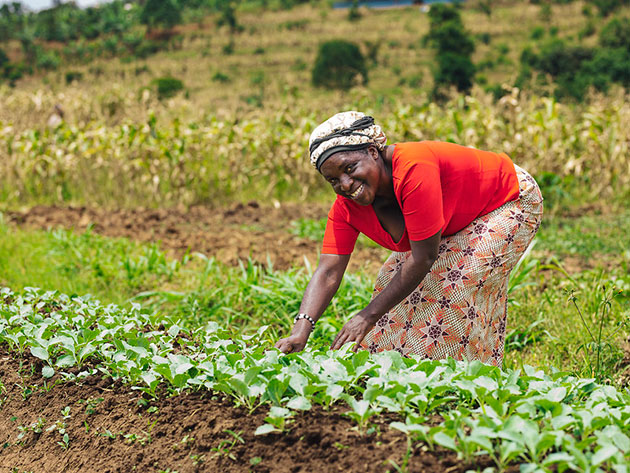
Leah Salvaleon, who leads a farmers’ association in Bukidnon, Philippines, emphasized that farmers make planting decisions based on market opportunities, not just seed performance.
Even the best varieties will struggle to gain adoption if farmers lack confidence that they can sell their harvest at a fair price. For smallholders, trying a new seed is both a technical and financial decision, shaped by risk, income potential and market demand.
“As farmers, it’s the market that dictates the kind of seeds or the kind of crops that we grow.” – Leah Salvaleon, farmer
Underlying this adoption is trust. As Trey Key explained. “We always look at seed as a relationship business. It’s really a trust business.”
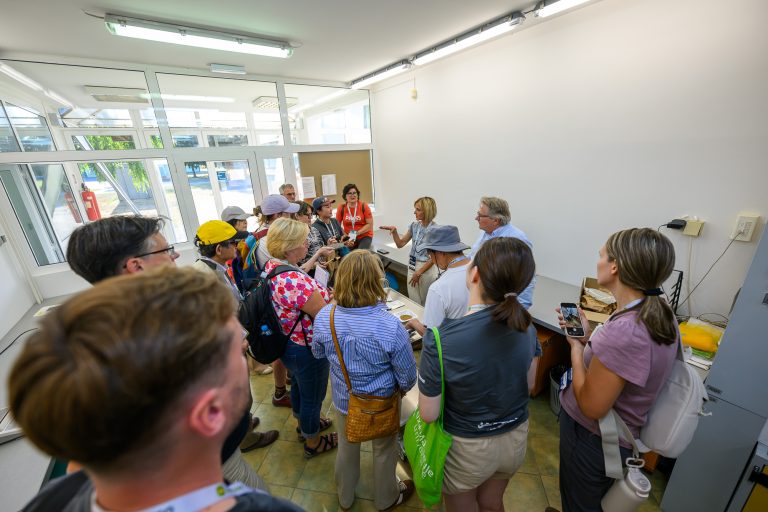
Demonstration plots play a critical role in building that trust. By seeing varieties perform under local conditions, farmers can evaluate results for themselves. Hands-on training also helps farmers maximize the benefits of improved seed through better pest management and cultivation practices.
The panel also highlighted access to capital as a major barrier to adoption. Many farmers recognize the value of improved seed but lack the resources to invest in it.
“One thing that I learned over years of working with farmers is that seed system is diverse, complex, but the most important component of our work.” – Amanullah Alamzai, World Bank Group
One promising approach links agronomic training with financial services. Programs, such as those shared by East-West Seed through its Knowledge Transfer Foundation, that provide loans to trained farmers have shown stronger repayment rates and better production outcomes, demonstrating that financial inclusion works best when paired with knowledge and support.
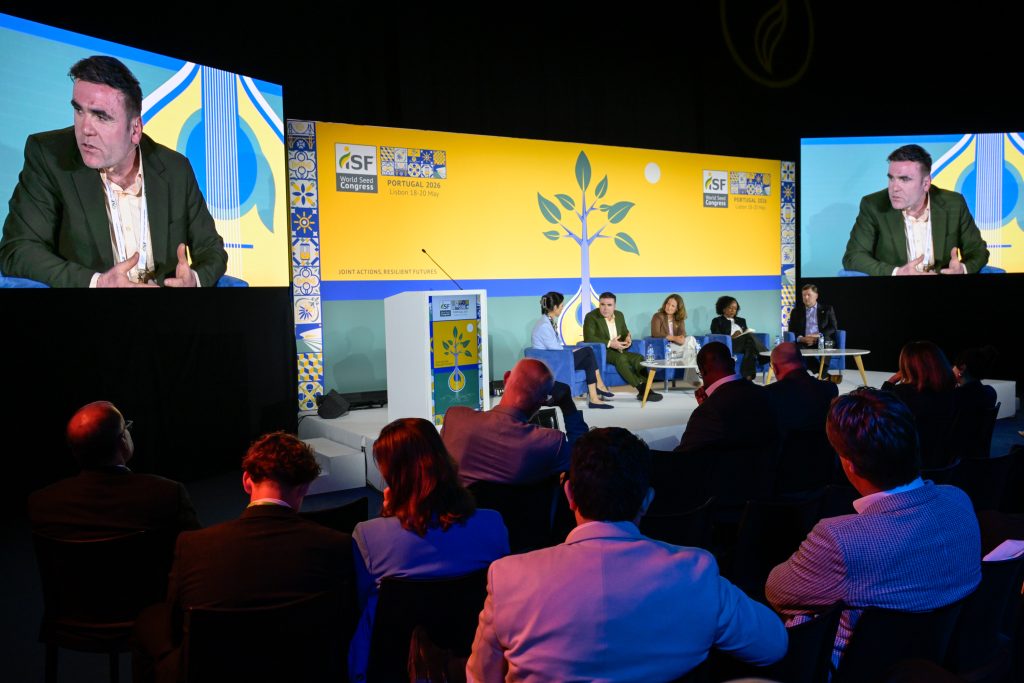
Strengthening Listening and Local Ownership
Strong seed systems require effective policies, functioning markets, and investment in local capacity. Participants stressed that certified seed systems and farmer-managed seed systems can coexist, giving farmers more options to meet their specific needs.
Panelists called for governments to treat food security as a national security priority and to support sustainable seed systems that are less dependent on donor funding.
The discussion also addressed the challenge of communicating science. Evelyn Lusenaka observed, “As scientists, where we fall short is how we communicate science to the public.”
“It about listening to understand and not just to react.” – Trey Key, Gates Ag One
That message resonated throughout the session. Inclusive seed systems are not built for farmers—they are built with farmers. Success depends on understanding their realities, reducing barriers, and creating clear pathways from innovation to livelihood.
The panel concluded that farmers do not want unnecessary complexity. They want reliable seed, practical information, and dependable market connections.#